Authored by Vince Murdock, moyamoya survivor and the Miles for Moyamoya team. Sources cited inline and listed in full at the page bottom. Last updated: 25 May 2026.
Compare what happens with surgery to what happens without it.
Sources: AHA Stroke 1998; Natural Course in Hemorrhagic Moyamoya, Stroke 2019.
Source: Stanford Moyamoya Center, Quality & Outcomes (450 procedures, 264 patients, 1991-2008, mean follow-up 4.9 yr).
The contrast is stark. Untreated symptomatic moyamoya delivers ongoing stroke risk that compounds each year. Surgical bypass, in published series from a high-volume centre, drops 5-year stroke or death to roughly 5.5%. The case for moving from medical management alone to surgical revascularisation, when a patient is a surgical candidate, is unambiguous in the 2023 AHA/ASA Scientific Statement.
A general post-bypass timeline drawn from Stanford's Post Op Care guidance and Vince's own experience. Individual recovery varies.
ICU monitoring immediately post-op. Blood pressure is kept in a tight range to protect the new bypass. Imaging confirms patency. Most patients walk on day 1 or 2, transition out of ICU within 48 hours, and discharge home within a week.
Walking is encouraged. Strenuous exercise, contact sport, and heavy lifting are paused. Daily aspirin starts (or continues) per the surgical team's protocol. Mild headache, fatigue, and scar tenderness are common. Driving usually waits until cleared at the first follow-up.
Most patients return to work and most daily activities. Aerobic exercise is typically allowed back. For indirect bypass procedures, the new vessels are beginning to grow into the brain surface (neoangiogenesis), which takes weeks to months. Direct bypass effect is immediate; indirect bypass effect develops in this window.
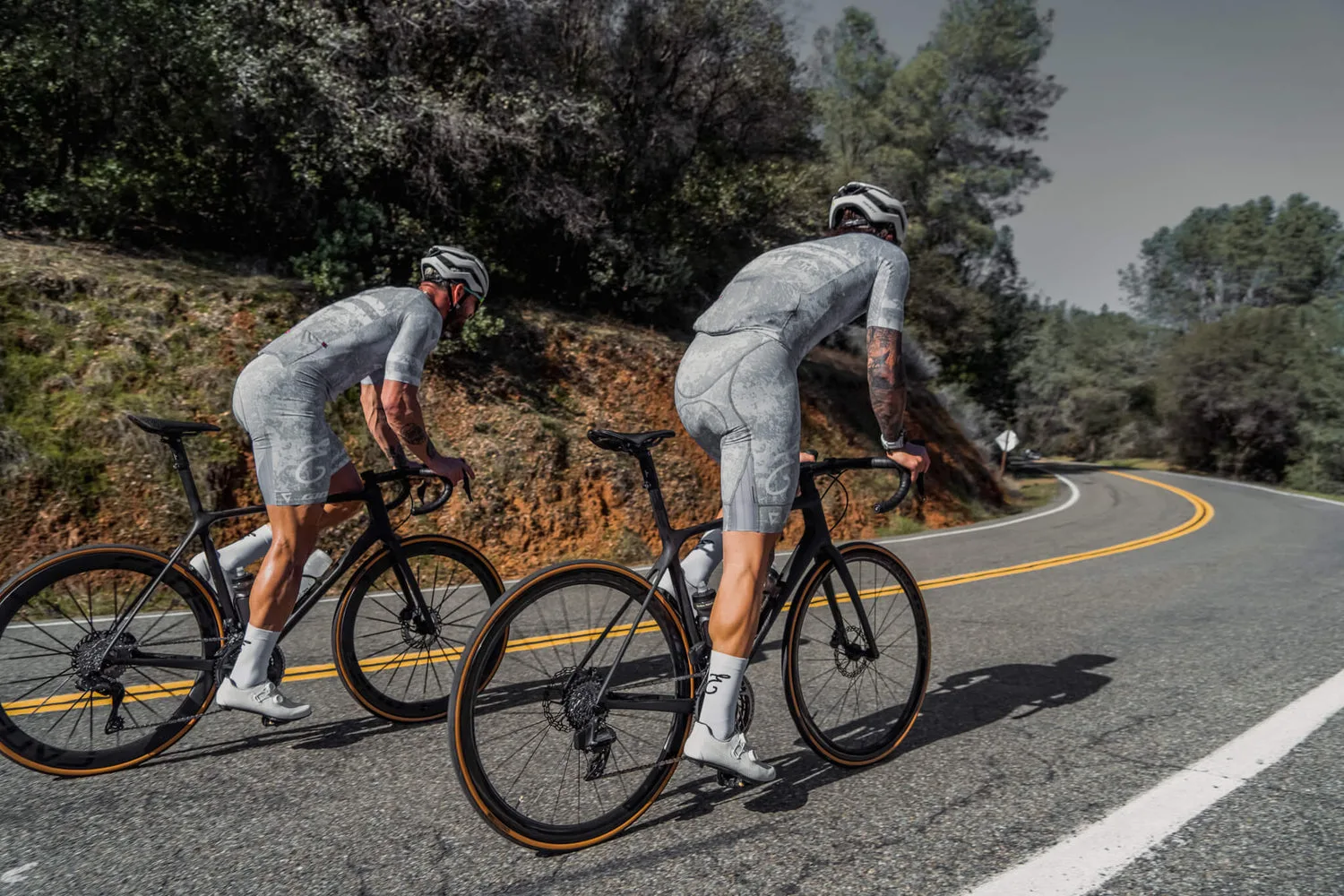
Return to higher-intensity activity, including endurance sport, is increasingly allowed. Imaging at 6 months evaluates bypass function and any contralateral disease progression. Vince used this period to ride 10,000+ miles, which became the engine of his recovery and the seed of Miles for Moyamoya.
Lifelong daily aspirin is the norm. Follow-up imaging at 3 years, 10 years, and 20 years tracks bypass function and the disease in the other hemisphere. Most patients return to nearly normal lives. Vince fought professionally again at the one-year mark, representing the upper bound of return-to-elite-athletics after bypass.
Drawn from Stanford Health Care, Post Op Care for Moyamoya Surgery. Your team's protocol may differ.
10,000+
MILES
Eight months between Vince's bypass and his return to professional MMA. Imaging later showed his bypass vessels had quadrupled in size, evidence of robust neoangiogenesis.
Read Vince's full story →Recovery timelines are individual. Vince's is one data point at the upper bound of return-to-elite-athletics, drawn from the verified facts in his own record.
Diagnosed with moyamoya disease after pre-fight imaging required by Minnesota's athletic commission. Left internal carotid 100% blocked.
Married Kira two days before surgery.
Eight-hour bypass at Stanford by Dr. Gary Steinberg. First professional athlete to undergo moyamoya bypass surgery.
Rode 10,000+ miles in roughly eight months. Imaging later showed his bypass vessels had quadrupled in size, evidence of robust neoangiogenesis. Sober since surgery day.
Returned to professional MMA on Dana White's Contender Series against Luis Saldana, approximately one year after the bypass.
Founded Miles for Moyamoya. Continues to race endurance cycling (Unbound XL 350-mile finisher). $36,000+ raised toward the $100,000 research goal.
Vince's return to professional combat sport one year after surgery is consistent with Stanford's published return-to-activity guidance but represents the upper bound. Most patients do not return to elite combat athletics. Most can return to recreational sport, work, school, and an active life.
Recovery is the last of four pages in our moyamoya cluster.
What moyamoya is, demographics, how it affects the brain.
Adult vs paediatric presentation, 62% misdiagnosis, red flags.
Direct vs indirect bypass, Suzuki staging, US treatment centres.
Recovery timelines and return-to-activity guidance vary by patient, surgical approach, and centre. Always follow the specific guidance of your treating team. See our editorial policy for how we source and review content.
Most patients are out of hospital within a week and back to normal daily activity within a month. Strenuous exercise is generally paused for around 4 weeks post-op. Full neoangiogenesis (new vessel growth) from indirect bypass develops over months. Lifelong follow-up imaging is the norm.
Yes. Walking is encouraged immediately. Strenuous exercise is generally avoided for around 4 weeks. After clearance, most patients have minimal long-term restrictions. Vince Murdock returned to professional MMA approximately one year after his bypass and rode 10,000+ miles in the eight months between.
Stanford's published long-term outcomes (450 procedures, mean follow-up 4.9 years) report a cumulative 5-year perioperative or subsequent stroke or death rate of 5.5%, compared with roughly 40% recurrent stroke risk at 5 years for untreated symptomatic patients. Centre volume and surgical experience matter.
Most centres recommend lifelong daily low-dose aspirin to maintain bypass patency and prevent thrombosis at the anastomosis site. Hemorrhagic-onset patients may be managed differently. Always follow the specific guidance of your surgical and neurology team.
Stanford's protocol calls for follow-up MRA, perfusion, and neuropsychological assessment at 6 months, 3 years, 10 years, and 20 years. The schedule reflects the slow, lifelong nature of the disease and the importance of catching any contralateral progression or bypass change early.
More research means better post-bypass options, better long-term outcomes, and earlier diagnosis for the next patient. Every mile, every dollar, every share helps.